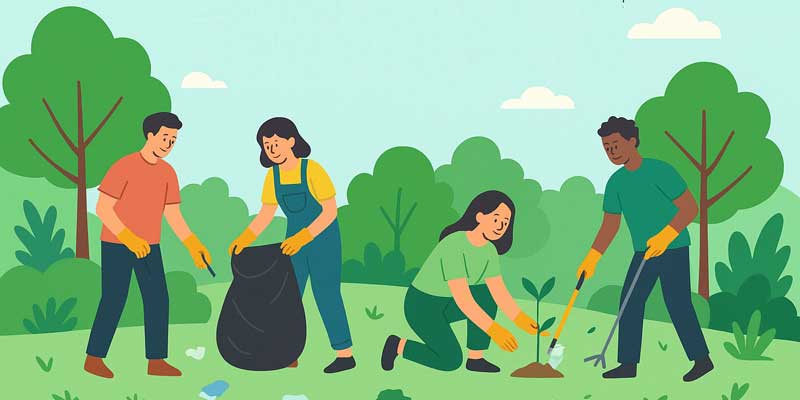
Cleanliness is not just about keeping our surroundings tidy—it’s about promoting health, respect for nature, and responsibility toward our planet. A clean environment fosters better living conditions, improves mental well-being, and strengthens community pride. However, maintaining cleanliness requires collective effort, and one of the most effective ways to make an impact is by organizing a local clean-up drive.
Whether it’s cleaning a park, roadside, beach, or neighborhood, clean-up drives unite people for a common cause—creating a cleaner, healthier, and greener Earth.
Why Cleanliness Matters
🌍 Environmental Benefits
- Reduces pollution by removing plastic, paper, and waste from natural surroundings.
- Prevents harmful substances from entering soil and water systems.
- Protects local wildlife that can get trapped or poisoned by litter.
🧠 Health Benefits
- Clean surroundings reduce the spread of infectious diseases.
- Reduces mosquito breeding grounds and unpleasant odors.
- Improves mental well-being—clean spaces promote peace and relaxation.
🏙 Social and Community Benefits
- A clean neighborhood enhances civic pride and encourages tourism.
- Creates awareness about waste management and recycling.
- Inspires others to take similar action in their own areas.
How to Organize a Local Clean-Up Drive
Step 1: Identify the Area to Clean
Choose a location that needs attention:
- Local parks
- Beaches or riversides
- Market areas
- School grounds
- Streets and roadsides
Survey the area to estimate the size, type of waste, and the number of volunteers required.
Step 2: Get Permissions
Before the event:
- Contact your local municipal office or panchayat for permission.
- Inform residents’ associations, police, and community leaders if needed.
- Request waste collection support after the clean-up (garbage trucks or bins).
Step 3: Gather Volunteers
Invite people through:
- Social media platforms (Facebook, Instagram, WhatsApp)
- Schools and colleges
- Local NGOs or clubs
- Workplace teams or community groups
Encourage participants of all ages — the more hands, the bigger the impact.
Step 4: Arrange Necessary Supplies
Make sure you have:
- Gloves, masks, and garbage bags
- Waste segregation bins (plastic, paper, organic)
- Tongs or sticks to pick up trash safely
- First aid kits and water bottles
If possible, arrange recycling bins to separate reusable materials.
Step 5: Plan the Logistics
- Set a meeting point and time.
- Assign team leaders for different zones.
- Plan for waste collection and disposal after the drive.
- Take before-and-after photos for awareness and motivation.
Step 6: Educate and Inspire
At the start of the event:
- Give a brief talk about why cleanliness is important.
- Encourage volunteers to adopt clean habits, such as not littering and reducing plastic use.
- Distribute pamphlets or leaflets about waste management and recycling.
Step 7: Involve Local Businesses
Ask local businesses to:
- Sponsor refreshments or supplies (gloves, bags, or masks).
- Put up banners supporting cleanliness initiatives.
- Join as volunteers or partners to spread awareness.
Step 8: Ensure Proper Waste Disposal
Coordinate with your local sanitation department to collect filled garbage bags after the event.
If possible:
- Send recyclable items to recycling centers.
- Compost organic waste, such as leaves or food remains.
Step 9: Celebrate the Effort
After the clean-up:
- Take group photos.
- Share your success story on social media.
- Appreciate volunteers and local partners with small recognition certificates or thank-you notes.
Step 10: Keep the Movement Alive
Don’t stop at one event!
- Organize monthly or quarterly clean-ups.
- Create a “Clean Community Club” to maintain cleanliness in assigned zones.
- Encourage schools, residents, and shopkeepers to take cleanliness pledges.
Small, consistent actions lead to lasting change.
Conclusion
Cleanliness is a collective responsibility. A single clean-up drive can spark a powerful chain reaction, motivating others to act and care for their surroundings.
When communities unite for a cleaner environment, they create not just tidy streets, but healthier, happier, and more sustainable neighborhoods.
Let’s start today—one drive, one street, one community at a time—to make our Earth a cleaner place for generations to come.